For CEOs and their leadership teams:

UNSAIDThe Leadership Team Review

AI can now read every meeting. It cannot change a single team.

AI can transcribe your meetings, summarise them, even read between the lines. What it cannot do is sense what the room holds back, see what keeps a pattern alive, or help a team change. That is the human edge.
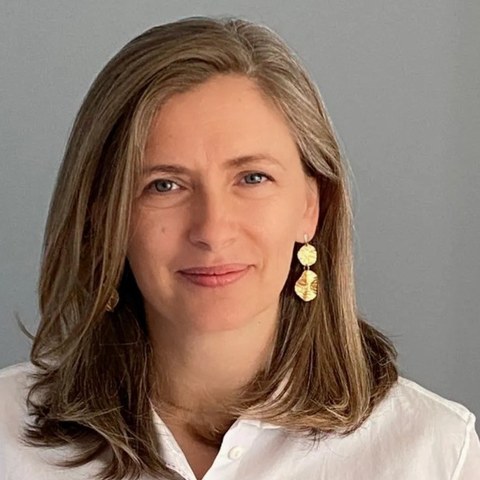
Mihaela Reese
Mihaela ReeseMaster Certified Coach
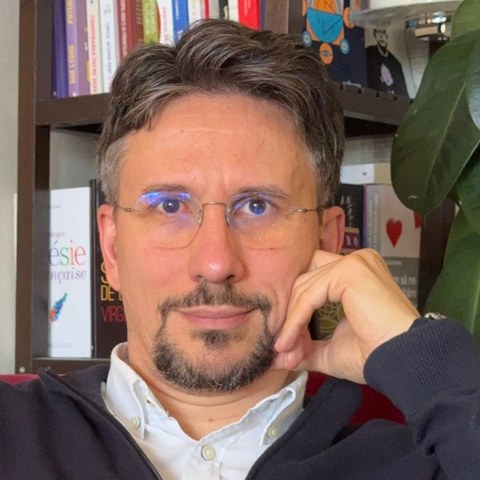
Radu Tudorache
Radu TudoracheClinical Psychologist

Two disciplines, one approach. Using systemic coaching and organisational psychodynamics, we create a room safe enough for difficult things to be said, and read the relationship patterns beneath them: who expects what from whom, how each side responds, and how those responses keep the pattern going.

There are three layers of every team

What carries a leadership team, and what drains it, sits on three levels. Only the first is visible in the minutes.

What carries the teamWhat drains the team
  • Decisions that hold.
  • Commitments kept.
  • Energy in the room.
SAIDwhat is spoken and recordedAI can read this
  • Decisions that don't stick.
  • Corridor conversations.
  • Bad news that arrives late.
  • Quiet support that no one reports.
  • Loyalty shown in small gestures.
  • Unwritten rules that protect good work.
UNSAIDwhat is felt but not spokenThe human edge
  • The meeting before the meeting.
  • The quiet veto: agreed, never implemented.
  • Conflicts taken around people, not to them.
  • Trust in the leader that frees the team to act.
  • Humour that lets off steam, not blood.
  • Conflict that ends closer than it began.
UNSEENwhat moves the team below awarenessThe human edge
  • One person carries it for everyone.
  • Heroes and villains, each proving the other right.
  • Too nice to fight, too tense to work.
The way out? Change from within, with the team
Diagram: what carries and what drains the team across the said, unsaid and unseen layers

How the intervention works

Two steps: see it, then change it

Change lasts only when the team owns it.

Step 1 · Diagnosis

See the patterns

Three weeks · fixed scope, fixed price

How we look

  • We observe a real team meeting.
  • If you use meeting analytics or AI summaries, we read them too, then go beyond them.
  • A confidential conversation with each member and the leader, linking the team's results to its dynamics.
  • Team assessments where they help. Never rankings.

What you receive

  • A written Review: the core pattern, traced from said to unseen, what it costs, and how the team's other difficulties connect to it.
  • A private debrief for the leader, before the team sees the Review.
  • A half-day with the whole team to digest the findings.
  • Time it takes: about 6 hours per team member, and around 60 hours of our senior work.
Step 2 · The change work

Change it, together

Rhythm and scope agreed with the team

What we do together

  • Build the change plan with the team: what comes first, in what rhythm, who does what.
  • Team sessions on the patterns, with one-to-one coaching for the leader and members.
  • Regular reviews of progress, until the new way holds.

The team decides

  • The team's plan, and the team's commitment to change.

Ground rules

Confidentiality is absolute.Nothing anyone says is attributed to them. Only patterns reach the room.

Evidence before interpretation.Every finding comes with the behaviour behind it, and the team can challenge it.

Work, not personalities.We look at task, roles and context first. We never profile individuals.

No obligation to continue.Step 2 is proposed after Step 1 and shaped with the team. In English, on site or hybrid.

Illustrative example · not a client case

The quiet veto: “The strategy everyone agreed to”

Saidwhat AI records
“Strategy approved. Everyone is aligned. Rollout starts in Q1.”
Unsaidwhat we sense
The two directors whose units are impacted the most stay quiet in the meeting. Afterwards they ask to “start with a pilot”, and their teams keep finding reasons to delay. No one pushes back, because everyone may be in their shoes one day.
Unseenwhat we uncover
The old business model created the company and most of the careers around the table. Moving away from it feels like a break in their identity, even like a betrayal, but nobody says so. So the team agrees in the meeting, slows things down in practice, and blames the project owner for the delays.
What it costs
Six months pass, the project owner is exhausted, and the new CEO starts to doubt the team.
Step 2what the team chose
Say openly that the new strategy means breaking with the old business model, but first recognise that the company owes its existence to it and to its heroes. Give the two directors a key role in building the new model. Track commitments in the meeting, not in the corridor.

Who we are

Two people in the room, not a dashboard

Mihaela Reese

Creates the room

  • ICF Master Certified Coach; certified in change management (Prosci).
  • Former Managing Director of organisations of up to 600 people.
  • Clients include Porsche, Vodafone, Schneider Electric, Orange, Wienerberger. Lectures on leadership at Hotelschool The Hague.
  • Founder of the RESENX coaching school.

Radu Tudorache

Reads beneath the surface

  • Clinical psychologist with a Master's in Psychoanalysis, trained in systemic coaching.
  • 20+ years leading change at Google, Telekom and Vodafone; as CDO, led Vodafone Romania's digital and agile transformation (120+ people, 10 squads).
  • Founder of Xponentals: community of leadership & transformation consultants; delivered C-suite programmes for the Center for Creative Leadership.
  • MIT Sloan & CSAIL AI Executive Program; AI rollouts for clients in sales and customer care.

Organisations we have worked with

PorscheVodafoneSchneider ElectricOrangeWienerbergerGoogleTelekomCenter for Creative Leadership

Next step

A 30-minute conversation to see whether the Review fits your team.

Book your call
Mihaela Reese
mihaela@resenx.com
Radu Tudorache
radu@xponentals.com